Okay, picture this: I’m standing in my kitchen at midnight, the fridge humming like a bored cat, and a sudden craving for something that feels like a hug in a bite. I grabbed a bag of frozen brussels sprouts, tossed a handful of walnuts into the pantry, and thought, “What if I could turn these sad little greens into the star of the show?” The first attempt was a disaster—bland, soggy, and frankly, a bit of a culinary crime scene. I swear I could hear the sprouts sobbing in the pan.
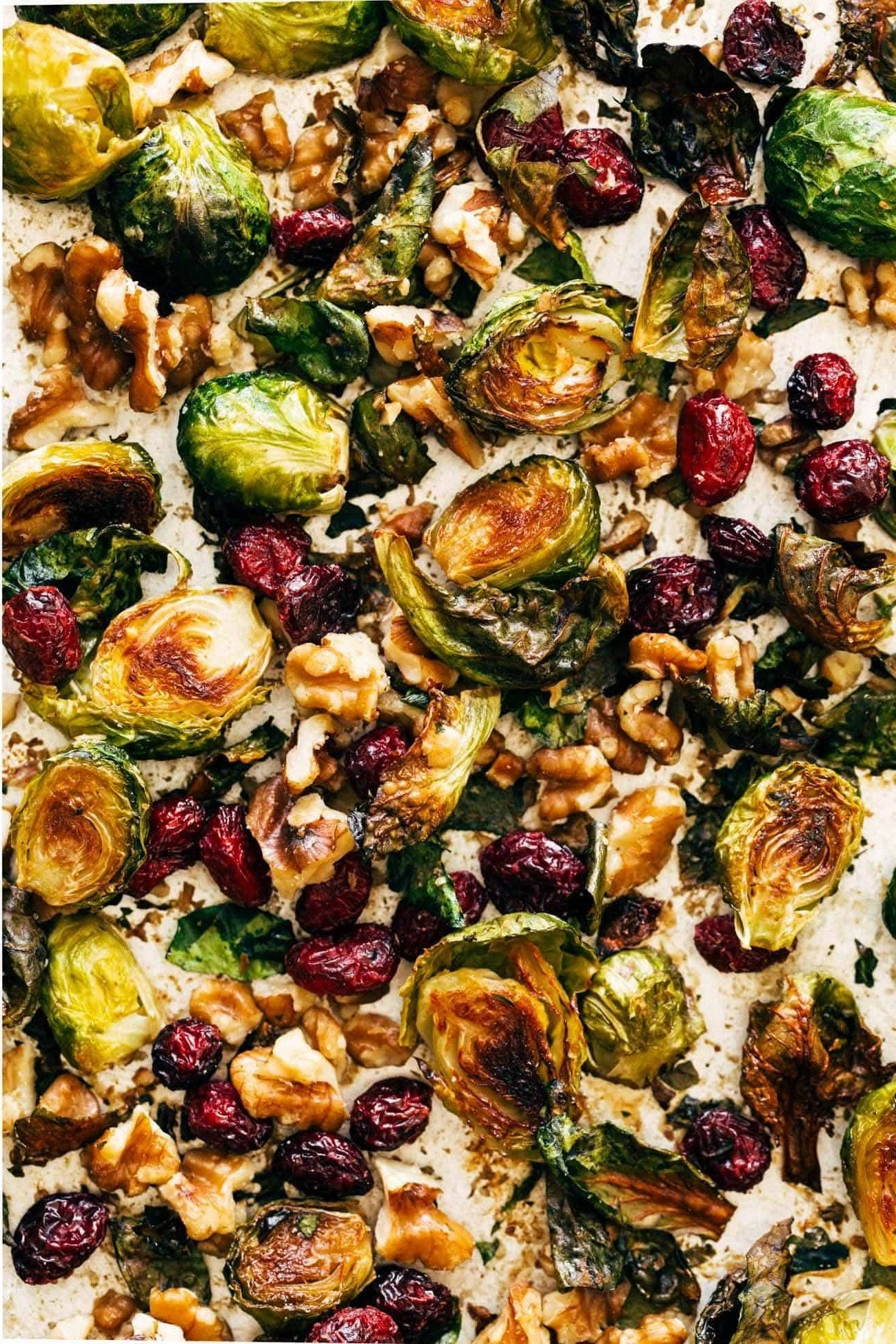
Fast forward a few weeks, a few YouTube tutorials, and a lot of trial‑and‑error, and I finally cracked the code. The secret? A high‑heat roast that caramelizes the natural sugars, a splash of maple syrup that adds a whisper of sweetness, and a tangy Dijon mustard glaze that hugs every curve. The walnuts get a quick toast, turning them into buttery crunch machines, while the dried cranberries pop like tiny fireworks of tartness. The whole thing smells like a forest after rain—earthy, sweet, and absolutely intoxicating.
Most recipes I’ve seen either over‑season or under‑cook the sprouts, leaving you with a mushy mess or a bitter bite. This version stands out because it respects the vegetable’s natural flavor, then amplifies it with just the right amount of sweet‑savory contrast. I dare you to taste this and not go back for seconds; it’s that good. And guess what? You won’t need a fancy kitchen gadget—just a good oven, a sheet pan, and a pinch of patience.
I’ll be honest—when I first pulled this batch out of the oven, the whole kitchen smelled like a holiday market, and I ate half the batch before anyone else got a chance. That’s how I know it works. Let me walk you through every single step—by the end, you’ll wonder how you ever made it any other way.
What Makes This Version Stand Out
- Flavor Harmony: The maple‑Dijon glaze creates a sweet‑savory duet that makes each bite sing. It’s not just salty or sweet—it’s a perfect balance that keeps your palate guessing.
- Texture Contrast: Crispy, caramelized edges meet buttery walnut crunch and chewy cranberry bursts. The combination is like a symphony of textures that never gets boring.
- Simplicity: Only five ingredients, five minutes of prep, and a single sheet pan. If you can melt butter, you can master this.
- Uniqueness: Most roasted brussels recipes skip the glaze and rely on olive oil alone. Adding maple syrup and Dijon is the game‑changer that elevates everything.
- Crowd Reaction: Even the pickiest eaters beg for more. I’ve served this at potlucks and watched grown‑ups fight over the last handful.
- Ingredient Quality: Fresh, firm sprouts and toasted walnuts bring natural depth. No need for exotic spices—just good, honest flavor.
- Cooking Method: High‑heat roasting (425°F) ensures caramelization without steaming, giving you that coveted crunch.
- Make‑Ahead Potential: You can prep the glaze and toss the nuts ahead of time, then roast when you’re ready. Perfect for busy weeknights.
Inside the Ingredient List
The Flavor Base
The glaze is where the magic starts. Maple syrup brings natural sugars that caramelize beautifully at high heat, creating those golden, glossy edges that look like they belong on a gourmet plate. Dijon mustard adds a sharp, tangy bite that cuts through the sweetness, preventing the dish from becoming cloying. If you skip the mustard, you’ll lose that essential zing that makes the flavor pop.
Swap suggestion: If you’re allergic to mustard, try a teaspoon of whole‑grain mustard or a splash of apple cider vinegar for a similar acidity. Just remember, the goal is to keep the glaze balanced, not overly sweet.
The Texture Crew
Walnuts are the unsung heroes here. Their buttery, slightly bitter notes contrast the sweet glaze and add a satisfying crunch that makes every bite interesting. Toast them lightly before adding them to the pan; this brings out their natural oils and prevents them from feeling raw.
If walnuts aren’t your jam, swap in pecans or toasted almonds. The key is to keep the nut component toasted and roughly chopped so it integrates well with the sprouts.
The Unexpected Star
Dried cranberries are the surprise element that turns this side dish into a mini celebration. Their chewiness and tartness act like tiny fireworks, punctuating the savory notes with bursts of bright flavor. Without them, the dish would be delicious but lack that playful twist.
Feel free to replace cranberries with golden raisins, chopped dried apricots, or even a handful of pomegranate seeds for a fresh pop.
The Final Flourish
Brussels sprouts themselves are the foundation. Choose firm, compact heads with tightly closed leaves; they hold up better during roasting and develop that coveted caramelized exterior. If you buy them in bulk, give them a quick sniff—fresh sprouts should smell mildly earthy, not sour.
When selecting, look for deep green color and avoid any that have yellowing leaves or a limp appearance. A quick tip: give them a gentle squeeze; they should feel firm but not rock‑hard.
Everything's prepped? Good. Let's get into the real action...
The Method — Step by Step
Preheat your oven to a roaring 425°F (220°C). This high temperature is non‑negotiable if you want those crisp, caramelized edges. As the oven heats, line a large rimmed baking sheet with parchment paper; this prevents sticking and makes cleanup a breeze. The moment the oven beeps, you’ll know the stage is set for flavor fireworks.
Trim the brussels sprouts: cut off the tough stem, remove any yellow outer leaves, and halve each sprout lengthwise. This exposes more surface area, ensuring each piece gets that coveted golden crust. Place the halves in a large bowl, drizzle with a generous splash of olive oil, and toss until every piece is lightly coated. The oil is the conduit for heat transfer, so don’t skimp.
While the sprouts are waiting, toast the walnuts. Spread them on a separate sheet pan and pop them into the oven for about 5 minutes, shaking the pan halfway through. You’ll hear a faint, nutty sizzle— that’s the sound of flavor being unlocked. Once golden and fragrant, set them aside to cool; they’ll stay crunchy even after the final roast.
Kitchen Hack: If you’re short on time, toast the walnuts in a dry skillet over medium heat for 3‑4 minutes, stirring constantly.Now for the glaze: in a small bowl whisk together 2 tablespoons of pure maple syrup, 1 tablespoon of Dijon mustard, a pinch of sea salt, and a grind of fresh black pepper. The mixture should be glossy and smooth, like liquid amber. This glaze will caramelize quickly, so keep an eye on it as you toss it with the sprouts.
Return the brussels sprouts to the original baking sheet, spreading them out in a single, even layer. Drizzle the glaze over the sprouts, using a spatula to ensure every half‑sprout is coated. The glaze should cling like a thin veil, not pool at the bottom. If you notice any dry spots, give them a quick toss with the spatula.
Slide the sheet pan into the oven and roast for 20‑25 minutes, turning the sprouts halfway through. This is the moment of truth: you’ll see the edges start to brown, and a sweet aroma will fill the kitchen. The sprouts should be tender inside but have a crisp, caramelized exterior that cracks under the fork.
Watch Out: If you open the oven too early, steam will escape and the sprouts may become soggy. Trust the timer and resist the urge to peek.While the sprouts finish, roughly chop the toasted walnuts and measure out the dried cranberries. This is your finishing crew, ready to add crunch and pop at the last second. When the timer dings, pull the pan out and immediately toss the warm sprouts with the nuts and cranberries. The residual heat will slightly soften the cranberries, letting their juices mingle with the glaze.
Give the mixture a final gentle toss, then transfer to a serving platter. The dish will still be steaming, releasing a fragrant cloud that says, “I’m ready now.” Taste a piece: you should notice the sweet‑savory glaze hugging the brussels, the walnuts crunching with buttery depth, and the cranberries delivering bright tartness. That’s the symphony you’ve been working toward.
And now the fun part: serve immediately, or let it cool slightly for a more mellow flavor. Pair it with roasted chicken, grilled salmon, or even as a bold starter at a dinner party. Trust me, guests will be asking for the recipe before the first bite is even swallowed. That’s the power of a well‑executed side.
That's it — you did it. But hold on, I've got a few more tricks that'll take this to another level...
Insider Tricks for Flawless Results
The Temperature Rule Nobody Follows
Most home cooks set the oven to 400°F and call it a day, but that temperature is too low for true caramelization. Cranking it up to 425°F (or even 450°F if you’re brave) creates a rapid Maillard reaction that gives the sprouts that coveted crispy edge. The key is to keep the oven pre‑heated long enough—at least 15 minutes—so the heat is fully penetrated. Trust me, the extra 25°F makes a world of difference.
Why Your Nose Knows Best
Your sense of smell is the ultimate timer. When the glaze starts to bubble and you catch that sweet‑savory aroma, you’re right at the 20‑minute mark. If the scent is faint, give it another 3‑5 minutes; if it’s strong and caramel-like, pull it out now before it burns. This sensory cue beats any timer, especially if your oven runs hot.
The 5‑Minute Rest That Changes Everything
After roasting, let the sprouts sit for about five minutes before serving. This short rest allows the glaze to set and the juices to redistribute, preventing a soggy bite. During this pause, the walnuts continue to release their oils, intensifying the nutty aroma. It’s a tiny step that transforms a good dish into a great one.
The Secret of Even Cutting
Uniform halves roast evenly. If you end up with a mix of quartered and whole sprouts, the larger pieces will stay under‑cooked while the smaller ones may burn. Take a moment to slice each sprout in half; it’s an extra 30 seconds that guarantees symmetry and consistency.
The Walnut Toasting Trick
I once tried to skip the walnut toasting step, and the result was a bland, mushy addition. Toasting not only adds flavor but also dries out the nuts just enough to stay crisp when mixed with the hot sprouts. If you’re in a rush, use a dry skillet over medium‑high heat—listen for that faint pop, then remove immediately to avoid burning.
Creative Twists and Variations
This recipe is a playground. Here are some of my favorite ways to switch things up:
Spicy Sriracha Kick
Add a teaspoon of sriracha to the glaze for a subtle heat that dances with the maple’s sweetness. The heat complements the walnut’s richness and makes the dish perfect for those who love a little fire.
Smoky Bacon Boost
Crisp up half a cup of chopped bacon and fold it in with the walnuts. The smoky, salty crunch adds depth and makes the dish feel indulgent—great for a brunch buffet.
Herb‑Infused Finish
Stir in a tablespoon of finely chopped fresh rosemary or thyme right after roasting. The herbaceous notes lift the overall flavor and add a fragrant finish that’s perfect for holiday tables.
Vegan Coconut Caramel
Swap the maple syrup for coconut sugar syrup and omit the Dijon for a mild mustard alternative like tahini mixed with lemon juice. This creates a vegan-friendly version that still delivers caramelized bliss.
Cheesy Parmesan Twist
Sprinkle freshly grated Parmesan over the hot sprouts just before serving. The cheese melts slightly, adding a salty umami layer that pairs beautifully with the sweet glaze.
Storing and Bringing It Back to Life
Fridge Storage
Transfer leftovers to an airtight container and store in the refrigerator for up to three days. The sprouts will retain most of their texture, but the glaze may thicken—no problem, just reheat and stir.
Freezer Friendly
If you’ve made a big batch, spread the cooled sprouts on a parchment‑lined tray and freeze for an hour. Then transfer to a zip‑top bag; they’ll keep for up to two months. This flash‑freeze method prevents clumping.
Best Reheating Method
To revive, preheat a skillet over medium heat, add a splash of water (just a tablespoon), and toss the sprouts until steam rises and the glaze loosens. Alternatively, pop them in a hot oven (425°F) for 8‑10 minutes; the edges will crisp up again, and the flavor will be as fresh as day one.