I still remember the day I tried to salvage a stale loaf that had been lounging in my pantry for weeks. The crust was as hard as a brick, the interior a dry, papery mess, and I was about to toss it when a dare from my roommate changed the game: “Make it taste like a five‑star restaurant and prove me wrong.” I laughed, rolled up my sleeves, and set out on a quest that would end with a bowl of croutons so addictive they’d make you question every other snack you’ve ever had. The kitchen filled with the intoxicating scent of butter and herbs, the oven humming like a low‑key drum, and the sound of the bread cubes dancing as they hit the hot tray – pure culinary theater.
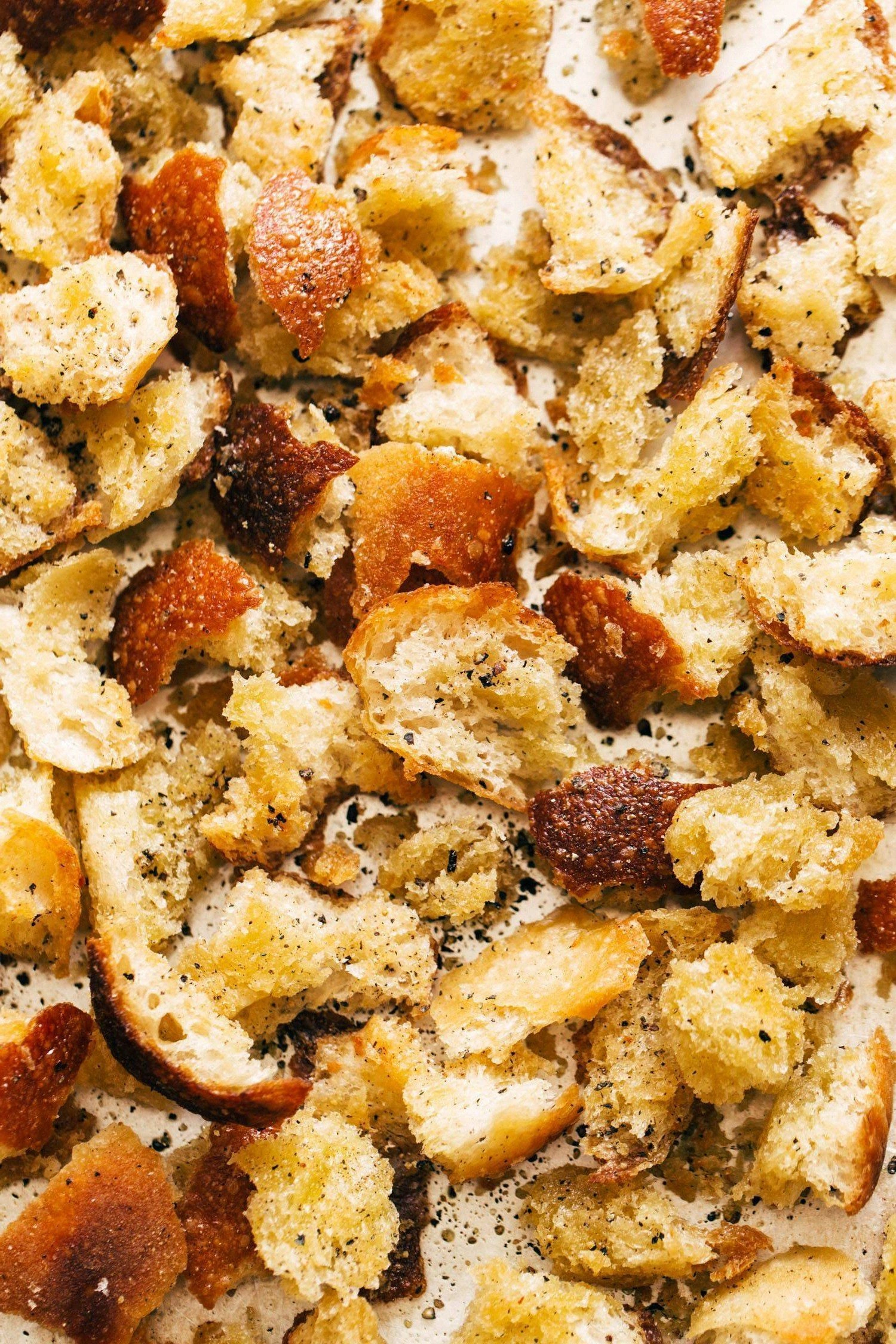
Fast forward to now, and I’ve cracked the code on the perfect crouton. Think of them as tiny, crunchy clouds that explode with flavor the moment they hit your tongue. They’re not just a salad topping; they’re a texture‑boosting miracle that turn soups, casseroles, and even plain oatmeal into elevated experiences. Most crouton recipes get the texture wrong – either soggy or rock‑hard – but this version strikes a Goldilocks balance: crisp on the outside, tender on the inside, with a buttery‑herb coating that clings like a lover’s whisper.
What sets this batch apart? I’m talking about a secret weapon: a splash of olive oil combined with melted butter, plus a sprinkle of grated Parmesan that caramelizes into a golden crust. The magic happens when you let the cubes rest after tossing – they absorb the seasonings evenly, creating a flavor depth you’d expect from a gourmet kitchen. I dare you to taste this and not go back for seconds. Trust me, you’ll be the one handing out the croutons at the next potluck, basking in the applause.
Okay, ready for the game‑changer? I’m about to walk you through every single step – from picking the right bread to the final golden reveal. By the end, you’ll wonder how you ever made croutons any other way. Picture yourself pulling this out of the oven, the whole kitchen smelling incredible, the steam rising like a celebratory fog. Stay with me here — this is worth it.
What Makes This Version Stand Out
- Texture: A double‑coat of oil and butter creates a crisp that shatters like thin ice, yet remains airy inside.
- Flavor: Garlic powder, dried herbs, and Parmesan fuse into a savory punch that lingers pleasantly.
- Simplicity: Only seven pantry staples are needed, no fancy gadgets or hard‑to‑find spices.
- Uniqueness: The butter‑olive oil blend is the secret that most recipes miss, delivering richness without greasiness.
- Crowd Reaction: Guests often claim these are “the best croutons ever” and ask for the recipe twice.
- Ingredient Quality: Using day‑old, crusty bread maximizes crunch while preserving a tender crumb.
- Cooking Method: Baking at a moderate temperature ensures even browning without burning.
- Make‑Ahead Potential: Store them airtight for up to a week; they stay crisp, ready for any dish.
Alright, let's break down exactly what goes into this masterpiece...
Inside the Ingredient List
The Flavor Base
Garlic powder is the unsung hero that delivers a deep, aromatic sting without the raw bite of fresh garlic. It disperses evenly, ensuring every bite carries that familiar warmth. Skip it, and you’ll end up with bland cubes that rely solely on salt – a tragic fate for any crouton. If you’re allergic to garlic, try onion powder for a similarly robust profile.
The Texture Crew
Olive oil and butter form the dynamic duo that creates the signature crunch. Olive oil brings a fruity, slightly peppery note, while butter adds richness and a buttery melt‑in‑your‑mouth feel. Using only one of them will either leave you with greasy crumbs or a dry, hard crust. For a dairy‑free version, substitute the butter with a tablespoon of coconut oil, but expect a subtle coconut aftertaste.
The Unexpected Star
Parmesan cheese might seem optional, but its umami depth and caramelization turn ordinary croutons into a gourmet treat. The cheese melts, then browns, creating a nutty crust that crackles when you bite. If you’re avoiding dairy, a sprinkle of nutritional yeast offers a cheesy flavor without the dairy.
The Final Flourish
Fresh herbs like oregano and thyme are the aromatic finish that elevates the flavor from basic to brilliant. Their dried forms are concentrated, so a little goes a long way. If you have fresh herbs on hand, use a tablespoon of each, chopped finely, and add them after tossing for a brighter, greener note. Salt and pepper, of course, are the silent conductors that bring all flavors into harmony.
Everything's prepped? Good. Let's get into the real action...
The Method — Step by Step
Preheat your oven to 350°F (175°C). This moderate heat is crucial: too hot and the croutons will burn before the interior softens; too low and they’ll dry out without that golden snap. While the oven warms, line a large rimmed baking sheet with parchment paper – this prevents sticking and makes cleanup a breeze.
Kitchen Hack: Place the parchment sheet under a cooling rack and toss the cubes on the rack; this allows hot air to circulate all around each piece, yielding an even crunch.Cube your bread into roughly ½‑inch pieces. Day‑old baguette, sourdough, or even a sturdy whole‑grain loaf works best because the crust is already firm. If the bread is too fresh, toast the slices lightly for 5 minutes before cubing – this dries them out just enough for the coating to cling.
In a large mixing bowl, whisk together 2 tablespoons olive oil, 2 tablespoons melted butter, 1 teaspoon garlic powder, 1 teaspoon dried oregano, 1 teaspoon dried thyme, ½ teaspoon salt, and ¼ teaspoon black pepper. The mixture should look glossy and aromatic; that’s the sign it’s ready to coat.
Watch Out: Over‑melting butter can cause it to separate, leading to greasy croutons. Keep the butter just melted, not bubbling.Add the bread cubes to the bowl and toss vigorously until every piece is evenly coated. This is the moment of truth – you’ll see each cube sparkling with a thin, even sheen. If any cubes look dry, drizzle a little extra olive oil; if they look slick, add a pinch more flour or breadcrumbs to absorb excess moisture.
Spread the coated cubes in a single layer on the prepared parchment sheet, ensuring they’re not piled on top of each other. Overcrowding will steam the cubes, resulting in soggy spots. The goal is a uniform layer that lets the hot air work its magic.
Bake for 12 minutes, then pull the tray out and give the croutons a gentle stir with a spatula. This halfway turn is essential for even browning; you’ll notice the edges start to pull away from the bread, a visual cue that they’re nearing perfection.
Return the tray to the oven for another 10‑12 minutes, watching closely. The croutons should turn a deep golden‑brown, and a faint nutty aroma will fill the kitchen – that’s the Parmesan caramelizing. If you like extra crunch, add a final 2‑minute blast at 375°F, but keep a vigilant eye to avoid burning.
Kitchen Hack: Sprinkle a teaspoon of sea salt over the croutons during the last 3 minutes; it adds a pop of flavor and a subtle crackle.Remove the tray and let the croutons cool completely on the sheet. As they cool, they continue to crisp up – the steam evaporates, locking in that satisfying snap. Once cooled, toss with an extra pinch of dried herbs or a drizzle of truffle oil for an elevated finish.
Store the croutons in an airtight container at room temperature. They’ll stay crunchy for up to a week, and if they soften, a quick 3‑minute reheating in a hot oven revives them instantly. That’s it — you did it. But hold on, I've got a few more tricks that'll take this to another level...
Insider Tricks for Flawless Results
The Temperature Rule Nobody Follows
Most home cooks crank the oven to 400°F, assuming higher heat equals faster crisping. In reality, a steady 350°F allows the interior of each cube to steam gently while the exterior browns gradually, preventing a burnt shell and a soft center. I once tried the high‑heat shortcut and ended up with uneven, blackened edges that tasted like charcoal. Trust the moderate heat, and you’ll get that uniform golden hue every time.
Why Your Nose Knows Best
Your sense of smell is a more reliable timer than any clock. When the kitchen starts to fill with a toasted, nutty aroma, that’s your signal the croutons are nearing perfection. If you hear a faint sizzle as the butter hits the tray, that’s the moment to start your timer. I’ve learned to stop checking the oven every minute and start listening – it saves energy and prevents over‑cooking.
The 5‑Minute Rest That Changes Everything
After you pull the croutons from the oven, let them rest for exactly five minutes before moving them to a storage container. This pause allows residual heat to finish the crisping process, ensuring each bite cracks like a fresh autumn leaf. Skipping this rest often results in a slightly soggy bottom, especially if you stack them while still hot.
Butter‑Olive Oil Ratio Mastery
The 1:1 ratio of butter to olive oil is the sweet spot. Too much butter makes the croutons greasy; too much oil leaves them lacking richness. I once tried a 2:1 oil‑to‑butter ratio and ended up with a greasy, limp texture that never truly crisped. Stick to equal parts, and you’ll achieve that melt‑in‑your‑mouth richness without the heaviness.
Seasoning Layer Technique
Instead of dumping all seasonings at once, I recommend a two‑step seasoning: first coat with oil, butter, salt, and pepper; then add herbs and Parmesan after the first bake. This prevents the herbs from burning and keeps the cheese from over‑cooking, preserving their aromatic qualities. A friend tried skipping this second layer and ended up with muted flavors – a lesson learned the hard way.
Creative Twists and Variations
This recipe is a playground. Here are some of my favorite ways to switch things up:
Spicy Sriracha Kick
Add 1 tablespoon Sriracha and a pinch of cayenne to the oil‑butter mix. The result is a fiery crunch that pairs perfectly with Asian‑style salads or ramen bowls.
Herb‑Infused Parmesan
Mix ¼ cup grated Pecorino Romano with 1 teaspoon rosemary and ½ teaspoon lemon zest. This bright, salty twist elevates the croutons into a sophisticated garnish for seafood chowders.
Sweet Cinnamon Sugar
Swap the savory herbs for 1 teaspoon cinnamon, ½ teaspoon nutmeg, and 2 tablespoons brown sugar. Bake until caramelized for a dessert‑style topping for vanilla ice cream or fruit salads.
Garlic‑Lemon Zest
Replace dried herbs with 2 cloves minced fresh garlic and the zest of one lemon. The bright citrus cuts through the richness, making these ideal for Mediterranean grain bowls.
Cheesy Jalapeño
Stir in ¼ cup shredded cheddar and 1 finely diced jalapeño after the first bake. The cheese melts into a gooey pocket, while the jalapeño adds a subtle heat that wakes up the palate.
Storing and Bringing It Back to Life
Fridge Storage
Place cooled croutons in an airtight glass jar or a zip‑top bag. They stay crisp for up to 7 days. If you notice a slight softening, spread them on a baking sheet and reheat for 5 minutes at 300°F.
Freezer Friendly
For long‑term storage, freeze the croutons in a single layer on a tray, then transfer to a freezer‑safe container. They retain texture for up to 3 months. When ready to use, toss them directly into soups or bake for 3 minutes at 350°F to revive the crunch.
Best Reheating Method
A tiny splash of water (about a teaspoon) on the croutons before reheating creates a brief steam burst that revitalizes the interior while the oven restores the outer crisp. This trick works wonders for croutons that have sat out too long.